


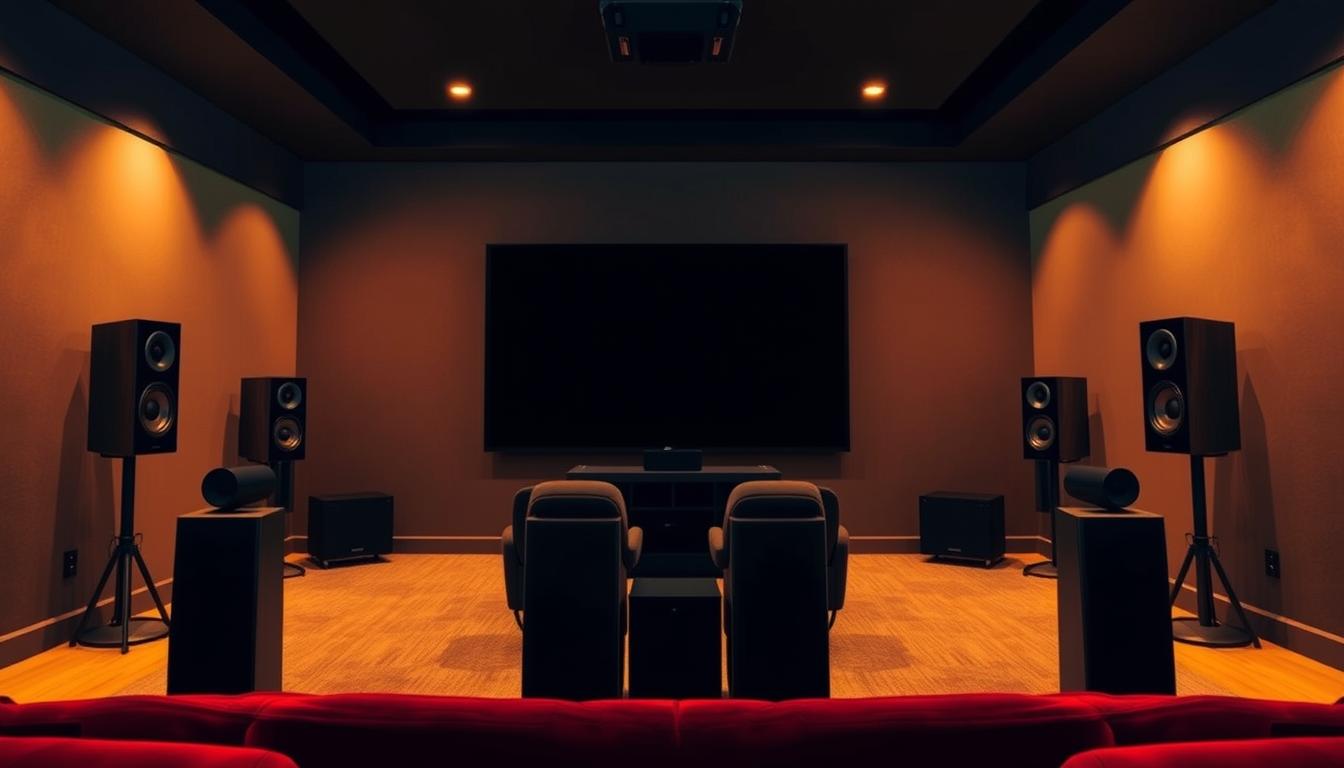
Remember that magical feeling of watching your favorite film in a packed cinema? The collective gasps, booming sound effects, and crisp visuals that made you forget everything else? Now imagine recreating that thrill in your personal space—without sticky floors or overpriced popcorn.

Transforming any room into a premium viewing environment involves more than just buying a big screen. Professionals with 1,000+ installations under their belt reveal it’s about harmony between technology and comfort. Proper speaker placement can make dialogue crystal clear, while strategic seating positions ensure everyone gets the perfect view.
Modern solutions let you achieve what only commercial venues offered a decade ago. From sound-dampening wall panels to adjustable lighting systems, today’s tools help craft spaces where every Marvel battle shakes your couch and nature documentaries feel like safari adventures. The key lies in balancing technical specs with your family’s movie-night habits.
Key Takeaways
- Professional planners emphasize room acoustics as crucial for clear dialogue
- Viewing distance calculations prevent eye strain during long binge sessions
- Modular seating arrangements adapt to different room sizes and layouts
- Integrated control systems simplify managing lights, sound, and streaming
- Soundproofing investments pay off in neighbor relations and immersion
- Budget-friendly upgrades exist for every stage of your project
Understanding Your Space for the Ultimate Viewing Experience
Did you know your room’s shape could make or break your audio experience? Getting the proportions right transforms ordinary spaces into cinematic escapes. Let’s explore how smart planning creates immersive environments where every seat feels like the best in the house.

Room Dimensions and Acoustic Ratios
Recording engineers swear by the golden ratio for balanced sound. A 10-foot ceiling pairs best with 16-foot width and 24-foot length. These proportions prevent bass buildup in corners while keeping dialogue crisp. Avoid cube-shaped rooms—they create sound waves that bounce like ping-pong balls.
Impact on Sound Quality and Seating Layout
Taller ceilings (9+ feet) let you build raised seating without cramped heads. Use theater design tools to test layouts before moving furniture. These programs show how speaker placement affects different seats—a game-changer for families wanting shared immersion.
Stuck with tricky dimensions? Try angled acoustic panels or staggered seating. Many find these tweaks improve sound more than expensive gear upgrades. Remember: Great audio deals home enthusiasts love often work best in properly proportioned spaces.
Selecting the Right Home Theater Seating and Accessories
Ever wondered why some spaces feel like a multiplex VIP lounge while others resemble a waiting room? The secret lies in choosing seats and add-ons that blend luxury with practicality. Let’s explore how premium options elevate both comfort and functionality.

Features of High-End Seating
The Audio Advice Revelation model redefines comfort with CEO-designed innovation. Independent motors let you adjust headrests and recliners separately—no more fighting over settings during movie nights. Built-in lumbar support and breathable fabrics keep you cozy through triple features.
| Feature | Standard Option | Premium Option |
|---|---|---|
| Recline Mechanism | Manual lever | Touch-button power |
| Storage | Shallow compartments | Deep arms + crumb catcher |
| Lighting | None | Blue LED cupholders |
Choosing the Best Accessories for Comfort
Look for practical upgrades that enhance convenience. Removable tray tables hold snacks without cluttering footspace. USB ports keep devices charged during binge sessions—perfect for gamers streaming late-night matches.
Ambient lighting syncs with smart systems for mood-setting transitions. Many best sellers audio specialists recommend accessories with dual purposes, like heated seats doubling as massage units. Always check warranty details—quality brands offer 5+ years on motors.
Best Home Theater Speaker and Screen Placement Considerations
Positioning your equipment like a pro transforms good setups into extraordinary ones. Whether you’re building from scratch or upgrading existing gear, these placement strategies ensure every explosion rumbles your seat and dialogue stays crystal clear.
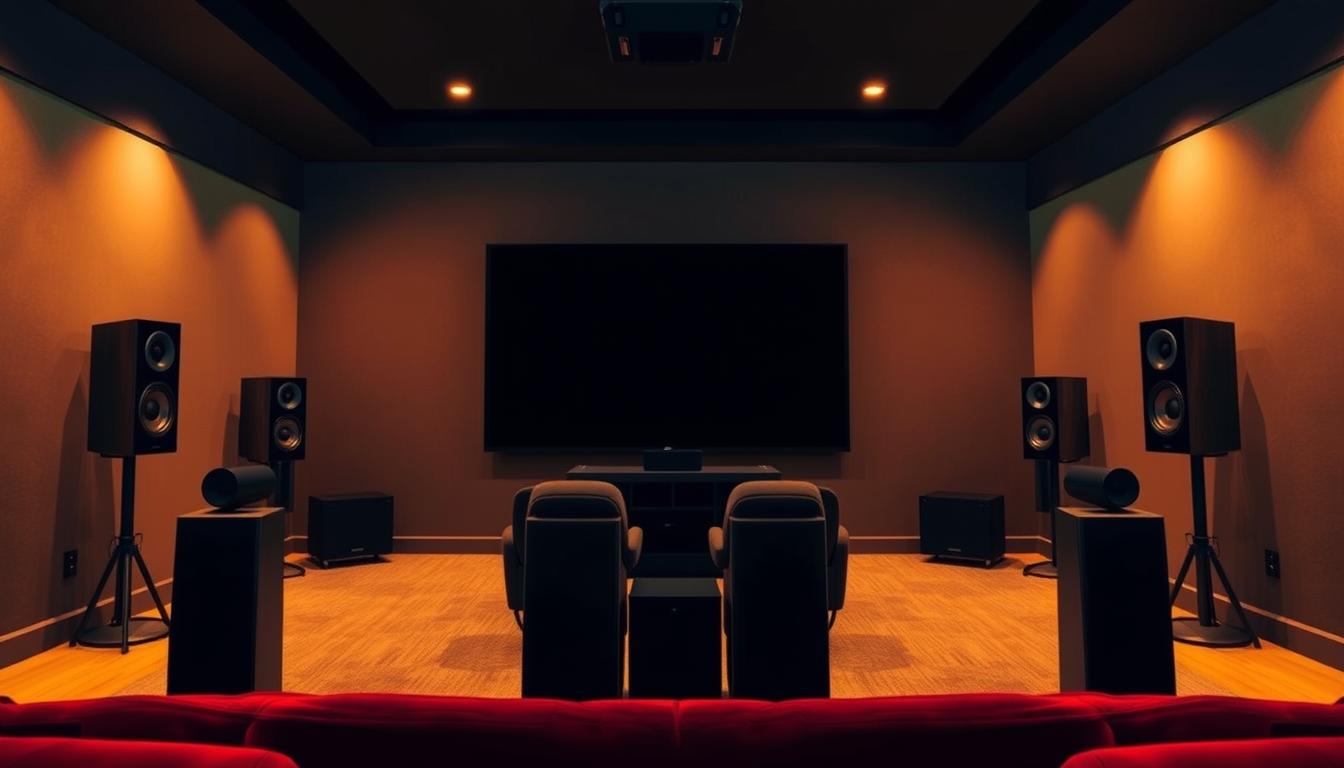
Optimal Speaker Layout Options
Surround sound systems thrive on precise positioning. Front channel speakers wall-mounted at ear level create lifelike dialogue. Side and rear units should form a perfect circle around viewers—about 2-3 feet above sitting height works best.
| Speaker Type | Ideal Placement | Key Benefit |
|---|---|---|
| Front Left/Right | 22-30° from screen center | Precise stereo imaging |
| Center Channel | Directly below screen | Clear vocal projection |
| Surrounds | 110-120° from seating | 360° sound effects |
| Ceiling Units | Directly overhead | Atmospheric immersion |
Screen Positioning for Maximum Viewing Comfort
Projection screens centered at eye level (30-36 inches) prevent neck strain. For rooms with windows, removable vinyl panels maintain light control without permanent changes. Front-wall installations create cinematic scale—especially when spanning 85% of wall width.
Seating distance matters as much as height. A 120-inch screen needs 10-15 feet viewing space. Use painter’s tape to mock up sizes before mounting. This trick helps visualize sightlines and speaker relationships.
Expert Home Theater Design Insights
What separates amateur setups from pro-level installations? Audio Advice’s team—with 1,000+ completed projects—shares battle-tested strategies that transform tricky spaces into cinematic escapes. Their interactive design tool lets you experiment with layouts before buying gear, saving time and money.

Proven Solutions for Real Challenges
Seasoned installers excel at solving problems like bonus rooms with awkward windows or sloped ceilings. One clever fix? Motorized screens that drop in front of garage-door windows, maintaining natural light access when needed. These creative approaches balance functionality with immersive experiences.
Planning your entire system upfront prevents compatibility headaches. Professionals recommend starting with seating positions, then building outward. This method ensures proper sightlines and speaker placement. Many show links home improvement stores now offer free design consultations to help visualize these relationships.
Quality calibration services make gear sing. Even premium components underperform without proper tuning. Look for featured deals show events where experts demo calibration techniques—these often include open box outlet discounts on last year’s high-end models.
Multi-use spaces benefit most from modular designs. Retractable screens and hidden speakers maintain living area functionality. Several show links new accessories now blend seamlessly into décor, like acoustic panels disguised as artwork.
Creating the Perfect Acoustic Environment
Ever notice how some rooms make music feel alive while others leave dialogue sounding muffled? The secret lies in managing how sound interacts with your space. Strategic acoustic treatments turn chaotic echoes into crisp audio that pulls you into every scene.

Acoustic Treatments and Installation Tips
Bass trap panels work best in corners where low frequencies gather. These thick foam or fiberglass units prevent that “boomy” effect during action scenes. Pair them with absorption panels on side walls to tackle harsh mid-range echoes from voices or instruments.
Diffusion panels add depth by scattering sound waves evenly. Place them behind seating areas to create a wider soundstage. For rooms with windows, heavy blackout curtains double as sound dampeners—blocking light while reducing reflections off glass surfaces.
| Treatment Type | Ideal Placement | Key Benefit |
|---|---|---|
| Bass Traps | Room corners | Control low-frequency buildup |
| Absorption Panels | First reflection points | Reduce mid/high echoes |
| Diffusion Panels | Rear walls/ceiling | Enhance spatial awareness |
| Heavy Curtains | Windows/glass doors | Dual light/sound control |
Dark matte finishes on walls improve both visuals and acoustics. They prevent screen glare while absorbing stray sound waves. Professional installers often use measurement mics to identify problem areas before placing treatments.
Remember—balance is key. Over-treating spaces can deaden natural reverb. Most rooms need a mix of absorption and diffusion for that authentic cinematic feel. Start with corner bass traps and expand based on your system’s performance.
Lighting Strategies and Atmosphere for a Cinematic Experience
Have you ever noticed how the right lighting can transform a movie scene from flat to breathtaking? Commercial venues master this art through layered illumination that guides your focus while maintaining immersion. Recreating this magic requires balancing practicality with dramatic flair.

Innovative Lighting Best Practices
Smart lighting systems use three zones to enhance functionality. Task lighting near equipment racks helps with cable management. Accent strips behind screens add depth without glare. Safety lights along pathways prevent stumbles during intense scenes.
| Lighting Type | Purpose | Recommended Fixture |
|---|---|---|
| Task | Equipment access | Adjustable LED strips |
| Accent | Visual depth | RGB rope lights |
| Safety | Navigation | Recessed floor markers |
| Ambient | Mood setting | Dimmable ceiling cans |
Dark gray walls with matte finishes absorb stray light reflections. Pair them with motorized blackout shades for daytime viewing. Many buyer guides videos demonstrate how these combos preserve image quality better than standard setups.
Remote-controlled systems let you dim lights during previews with one tap. Look for accessories show links offering voice command integration. These features maintain immersion while impressing guests.
Dimmable LEDs adapt to any activity—bright for cleaning, soft for films. Advice buyer guides suggest choosing fixtures with 2700K-3000K color temperatures. This range mimics natural evening light for comfortable viewing.
Utilizing Risers and Sightline Optimization
Ever been stuck behind a tall person at a concert? That same frustration happens in entertainment spaces with poor sightlines. Smart elevation planning ensures everyone enjoys the show without neck craning or seat shuffling.
Choosing the Right Riser Height
Platforms under 12 inches often disappoint. Go for 16-inch elevations in back rows—they let viewers see over reclined seats comfortably. Pair this with screens positioned 34 inches off the floor for ideal eye-level alignment.
Ensuring Unobstructed Sightlines for Every Seat
Leave 7 feet between rows for footrests and movement. Install step lighting along platform sides to avoid distracting glare. For tight spaces, try elevated bar stools behind main seating—they add capacity without permanent changes.
Pro tip: Test layouts using mounts components show installations before finalizing. Integrate streaming media players and links hdmi cables during setup for cleaner wire management. Bonus: Wireless headphones keep late-night sessions peaceful for housemates.
FAQ
How does room size impact sound quality and seating arrangements?
Larger spaces may require more speakers or bass traps to balance acoustics, while smaller rooms benefit from strategic layouts to avoid echo. Aim for a rectangular shape with balanced width-to-height ratios for clearer audio distribution.
What features should I prioritize in premium seating?
Look for ergonomic designs, adjustable recliners, built-in cup holders, and breathable materials like leather or microfiber. Motorized options with USB charging ports add convenience for longer movie nights.
Where’s the best placement for surround speakers?
Position front speakers at ear level, angled toward the main viewing area. Rear units work well 2-3 feet above listeners, while ceiling-mounted Dolby Atmos models enhance overhead effects. Use calibration tools for precise alignment.
How can I improve room acoustics without major renovations?
Add bass traps in corners, acoustic panels on reflection points, and thick rugs to dampen echoes. Diffusion panels behind seating also help scatter sound waves evenly.
What lighting setups enhance a cinematic atmosphere?
Install dimmable LED strips behind screens or under seats for ambient glow. Smart bulbs like Philips Hue sync with content, while blackout curtains eliminate glare during daytime viewings.
Why are risers important for multi-row seating?
Platforms 6-12 inches high ensure clear sightlines for back rows. Pair with low-profile recliners to maintain comfort without blocking screens. Measure eye-level heights during planning for accuracy.
Are wireless headphones a good addition?
Yes! Models from Sony or Sennheiser offer zero-latency audio, perfect for late-night sessions. They’re compatible with most AV receivers and preserve room silence for others.
How do I choose between projector screens and large TVs?
Projectors like Epson’s 4K models excel in dark, dedicated rooms over 120 inches. For bright spaces or smaller setups, LG’s OLED TVs deliver sharper contrast and easier installation.
 No products in the cart.